
CARTIF Projects
CRONUS
Capture and Reuse Of biogenic gases for Negative-emission-sustainable biofUelS
Description
In the current context of environmental sustainability, the EU-funded CRONUS project will pave the way for bioenergy, which is key resource for the decarbonisation of the EU economy in accordance with European Green Deal goals. Specifically, the project will develop carbon capture, utilisation and storage (CUS) techniques in the biofuels production line.
A wide spectrum of biogenic gases CUS technologies (enzymatic capture of CO2, autotrophic algae cultivation, biological CO2 hydrogenation, syngas biomethanation, in situ biomethanation, biogenic carbon storage by biochar production and soil application) will be validated at lab-scale. The proposed technologies will be upscaled to functional prototypes that will operate in relevant environments of biofuel production plants.
Objectives
- Detailed analysis and evaluation of inter and intraregional biogenic effluent gases with biofuels value chain.
- Engagement of society in the co-design, co-development and co-implementation of carbon negative biofuels innovations.
- Development of efficient, clean , sustainable, secure and competitive technological solutions for biogenic gases utilisation within the biofuels value chain.
- Comprehensive identification and assessment of the environmental and socio-economic impacts of the new proposed solutions through a life-cycle assessment.
- Definition of the guidelines for industrialisation and application of the biogenic gases CUS technologies.
- To bridge scientists and policymakers.
- To disseminate and communicate CRONUS objective and results.
Actions
- Incroporating in the biofuels value chain carbon capture, utilization and storage CUS) techniques.
- Validating a wide spectrum of biogenic gases CUS technologies in lab-scale:
- Enzymatic capture of CO2
- Autotrophic algae cultivation
- Biological CO2 hydrogenation
- Syngas biomethanation
- In-situ biomethanation
- Biogenic carbon storage by biochar production and soil application.
- Upscaling technologies to functional prototypes that will operate in relevant environments of biofuel production plants.
Expected Results
- To validate different biogenic gases CUS technologies in lab-scale.
- To upscale biogenic gases CUS technologies to functional protoypes operating in relevant environment of biofuel production plants.
R&D Line
- Design and development of biological processes of organic waste treatment: anaerobic digestion system coupled with a microbial electrolysis cell (MEC)
Partners
Horizon Europe
101084405

Total Budget: 4,390,895€
CARTIF Budget: 471,875 €
CARTIF Funding: 471,875 €
Duration: 01/12/2022 – 31/08/2026

Responsible
Miguel Ángel Sánchez Gatón
Division of Agrifood and Processes
Networking
Circular Economy and Biotechnology projects:

LIFE VALPORC
The goal of the LIFE + VALPORC is to demonstrate a sustainable alternative to the management of pig carcasses and manure, focusing on the environmental problems derived from its current management and valorizing these wastes by transforming them into biofuels (biogas and biodiesel) and organic fertilizers,
LIFE SMART Hospital
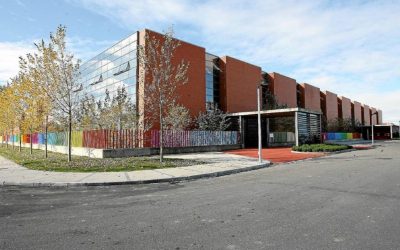
The LIFE SMART Hospital Project has promoted the sustainability of the health sector through the deployment of best practices and available technologies, training programs and replication of experience.
VALOR-PLUS
The VALOR-PLUS supports the realisation of sustainable, economically viable closed loop integrated biorefineries through the development of new knowledge, (bio-)technologies and products that enable valorisation of key biorefinery by-products.

LIFE COLRECEPS
The main objective of the COLRECEPS project is the implementation of a prototype demonstration plant to recycle residual EPS and obtain EPS beads. With these pearls, new recycled EPS prototype products will be manufactured.
LIFE REVAWASTE
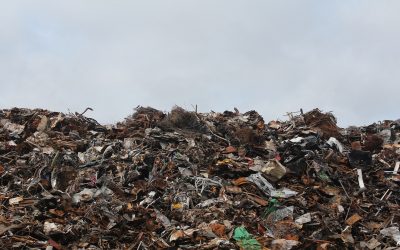
The LIFE REVAWASTE project (www.revawaste.eu) was born proposing the sustainable management of a broad spectrum of waste in an integrated plant or “Mixed Plant”.

LIFE EUCALYPTUS ENERGY
The LIFE EUCALYPTUS ENERGY Project consists of the pyrolysis of eucalyptus biomass for the production of electricity and biochar. It is intended to make use of the residual biomass of eucalyptus forest exploitation.
RECALZA
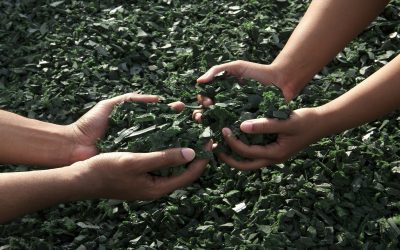
RECALZA proposes to develop a chemical recycling process of the generated polyurethane foam residues, to obtain the polyol again and re-manufacture new products (recycled soles) that meet the requirements for the footwear sector.

CONREPOL
The CONREPOL project will evaluate both chemical procedures based on the use of compounds that increase the surface polarity (silane coupling agents) of the waste and physical treatments with the same objective.
GREEN-CAR
The GREEN CAR ecodesign Project applies the ecodesign methodology to several components of the “electric vehicle” system: batteries, converter, charging points, conditioning systems and auxiliary systems from renewable sources

LIFE RESCATAME
RESCATAME represents a new system for the sustainable management of traffic through the use of models that predict pollution levels, which are supported by data collected by the network of air quality sensors, and that can help to execute a rapid action.
BIOREFINERÍA FT
The FT BIOREFINERY Project consists in developing a technology that allows obtaining 2nd generation liquid biofuels (synthetic diesel) and electrical energy, through the application of gasification and co-gasification processes, of different types of solid and / or liquid waste ( herbaceous biomass, lignocellulosic, glycerin, etc.)
BIALEMA
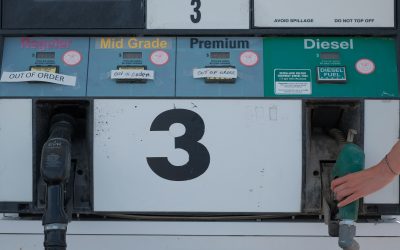
BIALEMA: RED for the production of Biofuels and its impact on food, energy and the environment. Conducted by Dr. Antonio Francisco Valdes Delgado (CUBAENERGIA).
BIORECOS
The BIORECOS Project aims to design and build a demonstration plant of a modular nature that allows, through pyrolysis, the production of charcoal and / or active coal, as well as the generation of electrical energy.

ENHANCE HEALTH
The ENHANCE HEALTH project focuses on environmental and health concerns related to air pollution produced by industries and waste incinerators in urban areas.