
CARTIF PROJECTS
LIFE LEACHLESS
Treatment model that uses a technology that combines solar evaporation with direct osmosis.
Description
Large amounts of leachates are generated in Europe and, because of their composition, having a high pollution load. The LEACHLESS project proposes a treatment model that will be carried out “in-situ” using a cost-effective novel technology that combines solar evaporation/condensation plus forward osmosis. The prototype will be powered by renewable energies, which will minimise the carbon footprint of the process.
The final effluent quality will be very high, allowing reuse (preferred) or discharge into watercourses. A minority semi-solid residual stream will be also generated in the process. That stream will be valorised in ceramic industries to improve the final products characteristics.
Objectives
- To demonstrate the technical and economic feasibility for leachate treatment.
- To valorise highly pollutant effluents by completely reuse of the streams.
- To provide a cost-effective process for leachate treatment.
- To replicate this model in facilities of two European countries.
- To promote the transferability of the model to other facilities.
- To encourage the stakeholders in the Water Directive implementation.
Actions
- Characterisation of leachate streams.
- Optimising the operating conditions of the technologies at lab scale and energy integration analysis.
- Prototype design, construction, start-up, validation and operation.
- Assessment of effluent and sludge quality according final use.
- Monitoring the environmental and socio-economic impact of the project.
- Public awareness and dissemination of results.
Expected results
- Treatment up to 8 m3/day of leachate.
- Obtaining a high quality final effluent that can be reused or discharged into the watercourses.
- Reduce the cost of leachate treatment by more than 80%.
- To eliminate the need of leachate transport leachate to WWTPs.
- Improving the operation of landfills and reducing the associated environmental impact.
- 100% valorisation of the by-products generated in the process.
Partners:



LIFE PROGRAMME
LIFE15 ENV/ES/000530

Total budget: 1,775,806 €
Contribution: 1,041,237 €
Duration: 01/10/2016 – 31/12/2020
Responsible
Francisco Corona Encinas
Division of Agrifood and Processes
Networking
Circular Economy and Biotechnology projects:

LIFE VALPORC
The goal of the LIFE + VALPORC is to demonstrate a sustainable alternative to the management of pig carcasses and manure, focusing on the environmental problems derived from its current management and valorizing these wastes by transforming them into biofuels (biogas and biodiesel) and organic fertilizers,
LIFE SMART Hospital
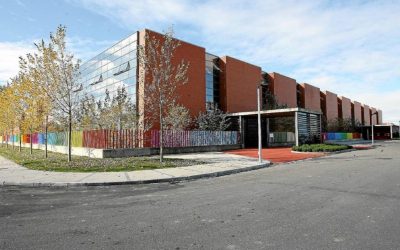
The LIFE SMART Hospital Project has promoted the sustainability of the health sector through the deployment of best practices and available technologies, training programs and replication of experience.
VALOR-PLUS
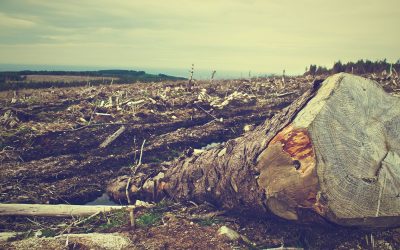
The VALOR-PLUS supports the realisation of sustainable, economically viable closed loop integrated biorefineries through the development of new knowledge, (bio-)technologies and products that enable valorisation of key biorefinery by-products.

LIFE COLRECEPS
The main objective of the COLRECEPS project is the implementation of a prototype demonstration plant to recycle residual EPS and obtain EPS beads. With these pearls, new recycled EPS prototype products will be manufactured.
LIFE REVAWASTE
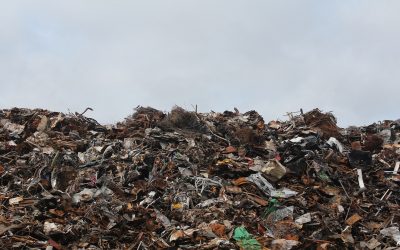
The LIFE REVAWASTE project (www.revawaste.eu) was born proposing the sustainable management of a broad spectrum of waste in an integrated plant or “Mixed Plant”.
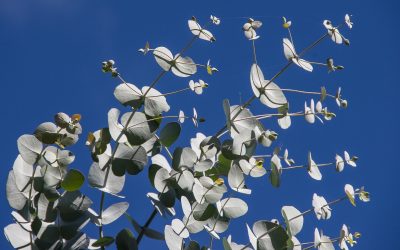
LIFE EUCALYPTUS ENERGY
The LIFE EUCALYPTUS ENERGY Project consists of the pyrolysis of eucalyptus biomass for the production of electricity and biochar. It is intended to make use of the residual biomass of eucalyptus forest exploitation.
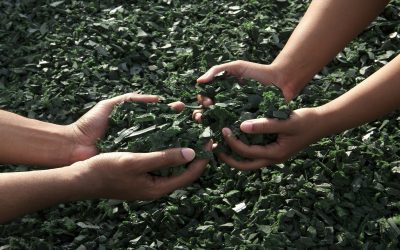
RECALZA
RECALZA proposes to develop a chemical recycling process of the generated polyurethane foam residues, to obtain the polyol again and re-manufacture new products (recycled soles) that meet the requirements for the footwear sector.
CONREPOL
The CONREPOL project will evaluate both chemical procedures based on the use of compounds that increase the surface polarity (silane coupling agents) of the waste and physical treatments with the same objective.
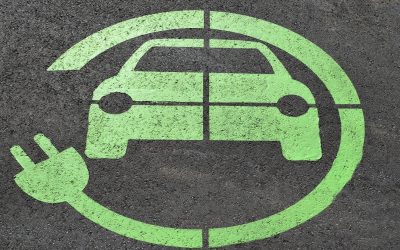
GREEN-CAR
The GREEN CAR ecodesign Project applies the ecodesign methodology to several components of the “electric vehicle” system: batteries, converter, charging points, conditioning systems and auxiliary systems from renewable sources

LIFE RESCATAME
RESCATAME represents a new system for the sustainable management of traffic through the use of models that predict pollution levels, which are supported by data collected by the network of air quality sensors, and that can help to execute a rapid action.
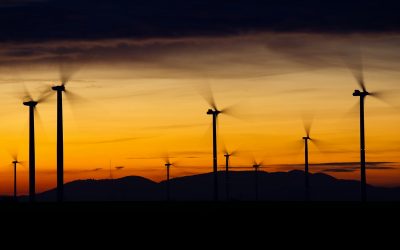
BIOREFINERÍA FT
The FT BIOREFINERY Project consists in developing a technology that allows obtaining 2nd generation liquid biofuels (synthetic diesel) and electrical energy, through the application of gasification and co-gasification processes, of different types of solid and / or liquid waste ( herbaceous biomass, lignocellulosic, glycerin, etc.)
BIALEMA
BIALEMA: RED for the production of Biofuels and its impact on food, energy and the environment. Conducted by Dr. Antonio Francisco Valdes Delgado (CUBAENERGIA).
BIORECOS
The BIORECOS Project aims to design and build a demonstration plant of a modular nature that allows, through pyrolysis, the production of charcoal and / or active coal, as well as the generation of electrical energy.
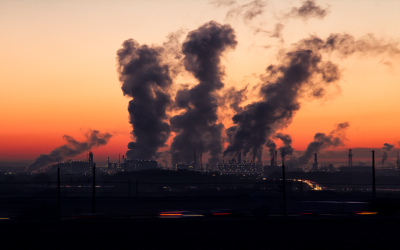
ENHANCE HEALTH
The ENHANCE HEALTH project focuses on environmental and health concerns related to air pollution produced by industries and waste incinerators in urban areas.