About us
RESEARCH
DEVELOPMENT
INNOVATION
CARTIF is a horizontal, private and non-profit Research Institution, whose main mission is providing innovative solutions to the industry to enhance their processes, systems and products, improving their competitiveness and creating new business opportunities.
CARTIF develops R&D projects financed by private companies or through public funds obtained from competitive calls at national and international level. CARTIF also supports public entities (city councils, regional governments…) on high impact projects planning and development.
CARTIF is a multidisciplinary centre that works in multiple knowledge fields focused to many economic sectors: energy, food, industry, construction and infrastructures, health and environment, addressing research lines oriented to the main societal challenges, as industry 4.0, smart grids, smart cities, energy efficiency, cultural heritage, quality of life, circular economy, natural resources and biotechnology.
CARTIF has an analytical testing laboratory the offers analysis services to the centre and to other companies by means of a wide offer that includes 3D digitalization, biomass characterization, food biotechnology and material nanotechnology
.
CARTIF in figures
Ongoing projects
- Projects Procurement with Companies 37%
- Projects Procurement with Public Funds 63%
Customers (2023)
Staff (42 PhD)
Incomes (2023)
International
%
National
%
Regional
%
Management team
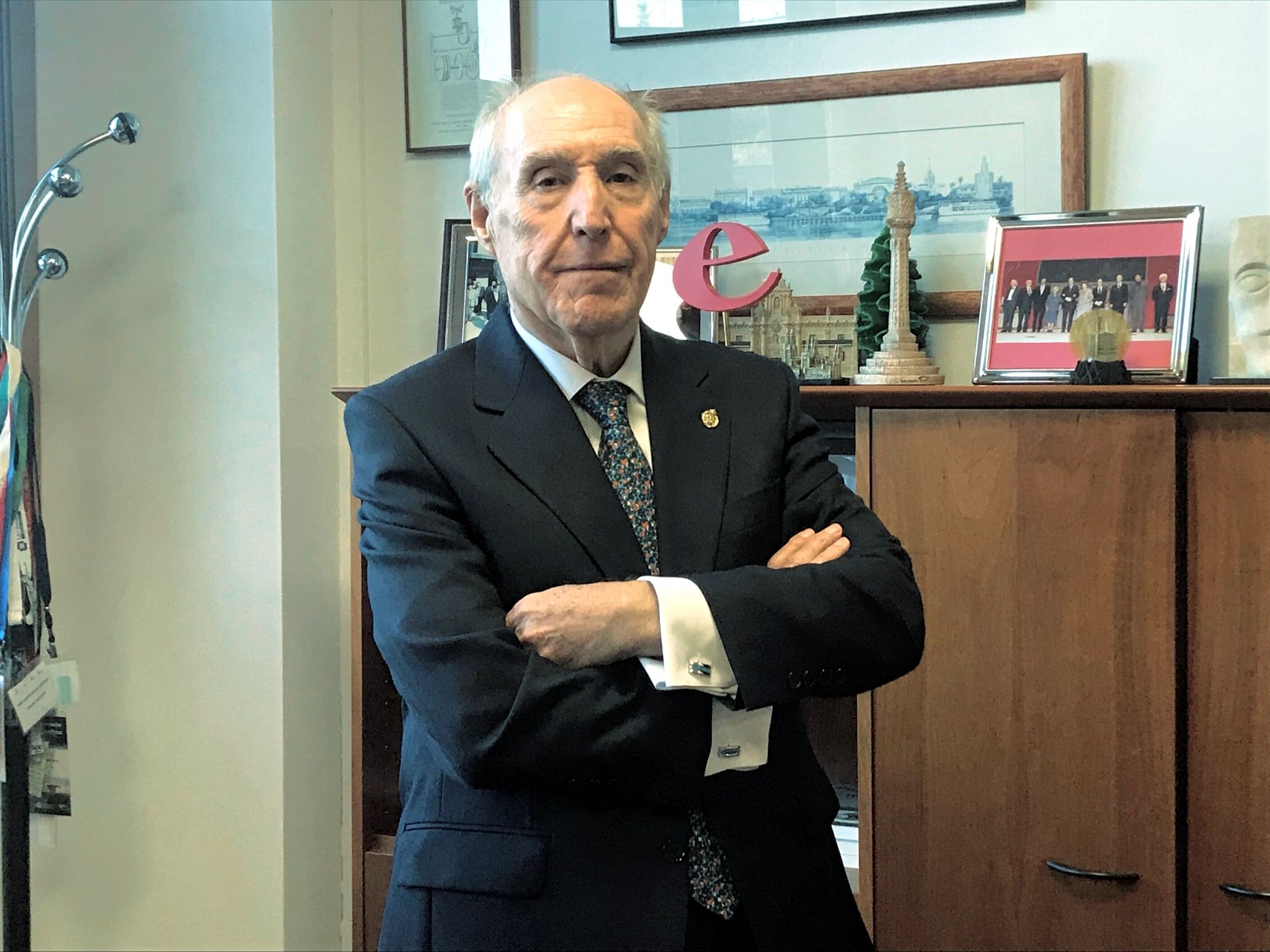
José R. Perán González
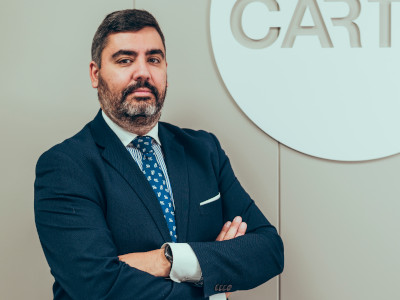
Sergio Sanz Hernando
Deputy General Manager and Head of R&D Programmes Department
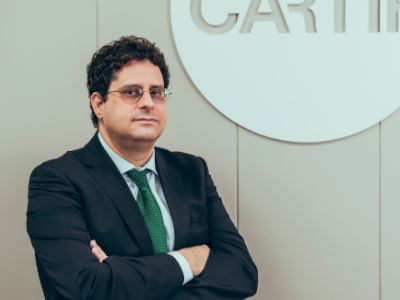
Antonio Ferrero Polo
Quality, Project Management and Purchasing Departments
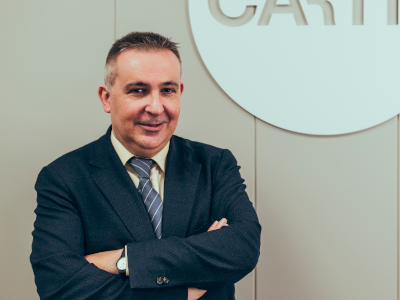
Fernando Gayubo Rojo
Head of Industrial and Digital Systems Division
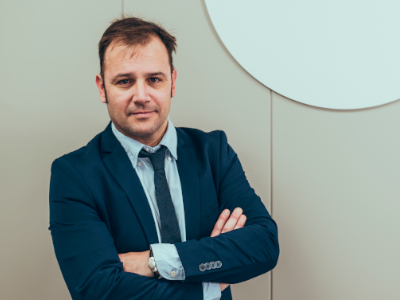
Alberto Moral Quiza
Head of Agrifood and Processes Division
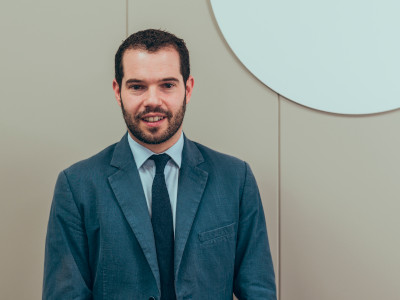
Ali Vasallo Belver
Head of Energy Division
Partners
Patronage

Vice presidency
Secretary




Advisors in scientific and technological research
D. Fernando Aldana Mayor
D. Jordi Aguiló Llobet







Scientific Comittee
Scientific advisers
Gregorio Antolín Giraldo


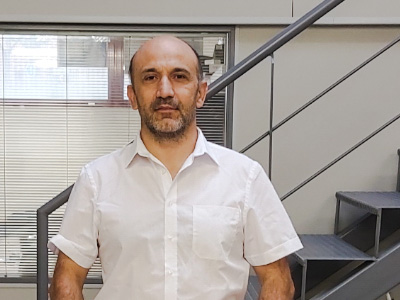
Antolín Lorenzana Ibán
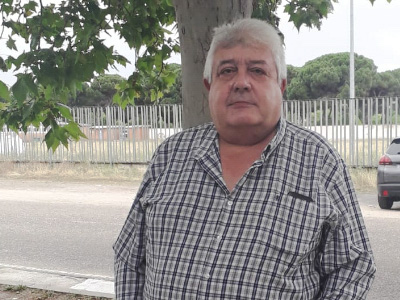
Eduardo Julio Moya de la Torre
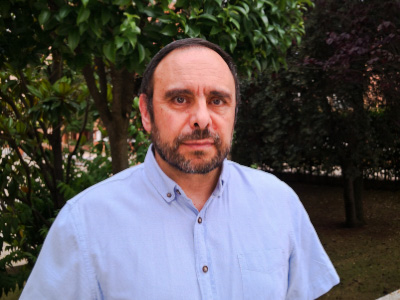
Luis Javier Miguel González
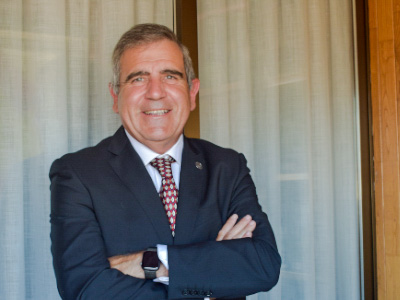
Eduardo Zalama Casanova
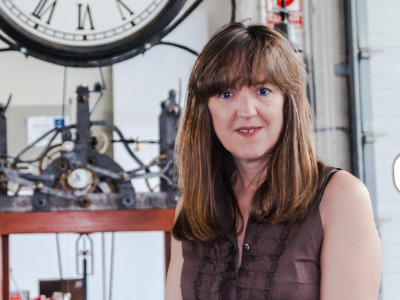
María Ángeles Perez Rueda
Fernando Antonio Frechoso Escudero
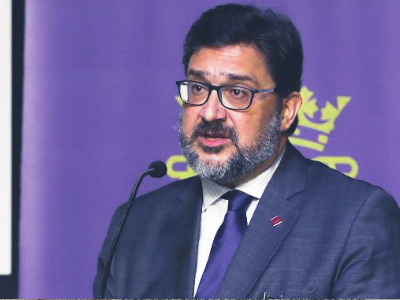
Luis Manuel Navas Gracia
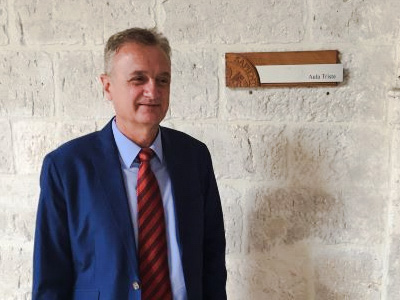
Jaime Gómez García Bermejo
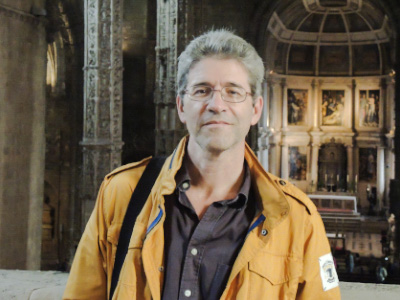
Javier Pérez Turiel
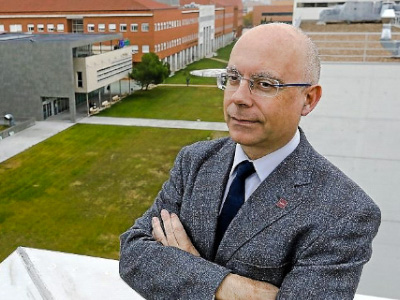
Enrique Baeyens Lázaro
Business excellence
Goal, Vision and Values
Our goal
Our mission is the generation of cutting-edge scientific and technological knowledge, driving incremental innovation and technology transfer to address complex challenges in key sectors such as health, industry, environment, and energy, providing practical and sustainable solutions to current and emerging problems, thus contributing to the well-being of society and strengthening the innovation capacity of our environment.
Our vision
To be an international reference in enhancing business competitiveness, carrying out activities of applied research, technological development, and innovation in processes, products, and systems. These activities aim to develop disruptive and incremental technologies, based on key enabling technologies, in order to offer comprehensive multidisciplinary solutions. These solutions achieve high impact through their ability to anticipate and systematically interact with society, the business fabric, and other innovation agents, contributing to improving quality of life and sustainable economic growth.
To achieve this, we deploy a strategy based on:
Focus on Frontier Research: The center focuses on conducting cutting-edge research in specific areas of interest by creating new lines of applied basic science research. This involves establishing collaborations with internationally and nationally prestigious academic institutions, equipping itself with advanced technological infrastructures, and attracting expert personnel in the relevant field.
Technology Transfer and Industry Collaboration: The center prioritizes efficient technology transfer and the establishment of long-term collaborations through value propositions focused on the needs of companies and industries. This involves having an industrial and intellectual property policy committed to exploiting results by customers, thus ensuring increased competitiveness and the creation of competitive advantages.
Generating Critical Mass in Technology: This involves developing technology impact communication programs that aim to raise awareness among companies, industries, and society in general about the importance of innovation processes. It also involves making decisions about the incubation and acceleration of technology-based businesses, as well as ensuring impactful scientific dissemination.
Development of Internal Capabilities: We focus on the development of technical and professional capabilities in different areas, aligned with Frontier Research and Technology Transfer. This involves offering technologists internal career paths focused on training and increasing responsibilities in decision-making. Career paths include short stays in other technological centers and internationally renowned companies.
Our values
EXCELLENCE: Search for the highest quality in all the activities carried out to be perceived as a benchmark both by the organization itself and by the rest of society.
SUSTAINABILITY: Development of the organization in order to satisfy current needs without compromising its continuity. All this made with a clear focus on Corporate Social Responsibility and contribution to the Environment.
ENTHUSIASM AND CREATIVITY: Behaviour of the group with a high level of involvement and motivation. Capacity to generate ideas and initiatives.
COMMITMENT TO REGIONAL DEVELOPMENT: Promote sustainable development in the Region to improve the quality of life and increase its competitive capacity.
Significant Environmental Aspects
The Significance Index, resulting from the annual evaluation of environmental aspects in CARTIF, and which measures the impact on the Environment of the activities carried out by the entity (consumption, waste generation, emissions,etc.), has experienced in recent years slight variations with a downward trend, as can be seen in the following table:
| 2019 | 2020 | 2021 | 2022 | 2023 |
| 22.80 | 20.72 | 20.83 | 20.83 | 19.90 |
This downward trend contrasts with the increase in staff and activity of the entity, constant since its inception, but accentuated in recent years. The figures show the results obtained from the continuous improvement in the optimization of consumption, or in the minimization of the waste generation, for example. And it encourages us to continue working along the same lines.
In the annual evaluation of environmental aspects of the year 2023 in CARTIF, we highlight the significant fuel consumption and the production of non-recoverable hazardous waste. The Significance Index achieved is 19.90, lower than the value of 2022,which was 20.83, although there has been an increase in the number of projects executed and staff. The improvement objectives for 2024 include the reduction of consumption and production of these two significant aspects.
Equality Policy
In CARTIF Foundation, we are aware that our business management has to be in line with the needs and demands of society, and therefore we are committed to the development of a Plan for Equality between women and men in the company, following the guidelines set by the legislation ont he subject and therefore with absolute subjection to the integration of the principle of equal treatment and opportunities as set out in Organic Law 3/2007, for the effective equality of women and men.
Through the implementation of this Equality Plan, CARTIF Foundation undertakes to:
- Design and facilitate the necessary measures for the reconciliation of the personal, family and professional life of its members, taking as a reference the needs and expectations of the people who part of the organisation, communicating them and making them available to all interested staff, and committing to their communication and monitoring.
- Continuosly ensuring equal opportunities and non-discrimination in professional development, remuneration and compensation, whether for reasons of maternity or paternity, gender, disability, care for dependents, ethnic or racial origin, trade union membership, religion, beliefs or any other personal or social condition or circumstance.
Integrated Management System Policy
The CARTIF DIRECTION, in order to achieve a high level of quality in all activities in the Center, so as to satisfy the needs and expectations of its customers and/or stakeholders (University, Region, Scientific, Industrial and Business Community) is committed:
- Establish, maintain and continuously improve the Integrated Management System (SIGMAQ) throughout CARTIF, ensuring that activities are conducted in accordance with the UNE-EN ISO 9001, EN ISO 14001, EN ISO / IEC 17025 and UNE 166002 , taking into account the requirements set by customers and stakeholders, as well as legislative, regulatory and contractual requirements.
- Establish process management based on the continuous analysis of the environment, in which all the stakeholders are be taken into account. In addition, this management will be oriented to the market, and will take advantage of all existing knowledge from CARTIF. This will serve to identify the main forces present and which ones are of the greatest importance, allowing a deep knowledge of the goals, objectives and plans that pursues, to improve the competitive position of the organization.
- Promote the necessary aspects to obtain the desired quality level.
- Collaborate with all the stakeholders to obtain their satisfaction.
- Provide human and technical resources.
- Disseminate information about the SIGMAQ and help the staff to become familiar with such documentation.
- Promote implementation of policy and procedures.
- Encourage self-evaluation as a tool for continuous improvement.
- Develop and apply technologies and methodologies to facilitate the improvement of the business competitiveness, exploiting the existing body of scientific-technical knowledge and providing integral solutions to them.
- Make R+D+i in areas of common interest to stakeholders, consolidating CARTIF as research unit.
- Use education and training of researchers as a lever to improve skills and performance of the R+D+i activities.
- Collect and act as a diffuser element of the current state of knowledge in each of the R+D+i areas.
- Exploit and adequately protect the R+D+i results.
- Comply with all applicable legal requirements.
The CARTIF DIRECTION AND STAFF undertake the conservation of natural resources based on the following principles for action on environment:
- Identify and evaluate environmental issues associated with life cycle processes, activities and operations developed by CARTIF, improve continuously avoiding the transfer of impacts of one life cycle stage to another and prevent pollution.
- Consider the environmental aspects associated with the life cycle of products, processes and services designed or redesigned within the projects developed by CARTIF. Working on improving the same, minimizing their environmental impact, considering the whole life cycle and preventing the transfer of environmental impacts from one stage to another.
- Comply with environmental laws and applicable regulations to the processes, activities and operations carried out by CARTIF throughout the life cycle of these as well as other requirements to which CARTIF commits.
- Use environmentally friendly products in the development of all its activities.
- Inform and train CARTIF staff in aspects related to the environmental protection.
- Analyze and improve its practices and processes in the light of technological advances, of the new safety conditions and environmental science, aimed at preventing and minimizing adverse impacts on all areas of the environment.
- Provide accurate and transparent information about the environmental performance of the center to customers, partners, governments and other stakeholders.
Certifications
QUALITY AND ENVIRONMENT (ISO 9001 and 14001 certified by AENOR)
Its scope includes carrying out applied research and technological innovation activities, scientific-technical dissemination in the areas of Chemical and Food Engineering and Technology; Industrial technology (industrial equipment, industrial machinery, maintenance engineering and manufacturing process engineering); Instrumentation technology (automation technology, robotics, control engineering, electro-optical devices, home automation and artificial vision); Materials technology (material properties, material testing, behavior and coatings simulation); Energy technology (non-conventional sources of energy: solar, geothermal, biomass and biofuels); Environmental Engineering and Technology (industrial waste, pollution engineering and water regeneration); Biomedical Technology and Information and Communication Technologies; Analysis of atmospheric emissions and physical-chemical analysis of continental and waste waters; Physical-chemical analysis and physical-mechanical tests of materials and the provision of technological services to companies.
| ISO 9001: | ISO 14001: |
 |
 |
 |
|
R+D+I (ISO 166002 certificate by AENOR)
Research, development and innovation in Chemical and Food Engineering and Technology (antioxidants in food, solid liquid extraction, chemistry of organic natural products); Industrial Technology (industrial equipment, industrial machinery, maintenance engineering and manufacturing process engineering); Instrumentation Technology (automation technology, robotics, control engineering, electro-optical devices, home automation and artificial vision); Materials Technology (material properties, material testing, behavior and coatings simulation); Energy Technology (non-conventional sources of energy: solar, geothermal, biomass and biofuels); Environmental Engineering and Technology (industrial waste, pollution engineering and water regeneration); Biomedical Technology (physiological and robotic surgery and rehabilitation systems modelling); Information and Communication Technologies (radiocommunications and communication networks).
ISO 166002:
Accreditations
Testing of composite materials, paints, varnishes, sealants, resins and wood pellets. Accreditation No. 335 / LE1276. (PDF). ENAC list.