
Biotechnology
sustainable chemistry

RESEARCH AREAS
Biotechnology and Sustainable Chemistry
Description
The Biotechnology and Sustainable Chemistry Area (BQS) combines in an integrated way various areas of knowledge and tools based on biotechnology and green chemistry for the improvement and sustainability of industrial processes, environment and quality of life.
It is a transversal and multi-sectorial area, with a clear vocation for research and implementation of applied solutions, both to the industrial sector (food, chemical, materials) and to the protection and improvement of the environment, carried out from the point of view of the development of products and processes more efficient, sustainable and integrated in the life cycle.
Research lines
- Research in processes with chemical-catalytic reaction processes, heterogeneous catalysts and (bio)adsorbent materials.
- Research in thermochemical processes and intensification of pressure processes for the transformation of plastics, biomasses and recalcitrant waste into value-added products.
- Development of biobased materials with applications in polymers, adhesives and coatings with special properties.
- Development of advance fermentation process (with sustrate in liquid phase and/or gas).
- Application of advanced chemical and enzymatic hydrolysis processes for waste and lignocellulosic biomass treatment.
- Development of new applications and microbiological tools.
- Extraction and purification of active ingredients and proteins by biocatalysis and/or GRAS solvents.
Publications
- Hidalgo, D., Corona, F., Martín-Marroquín, J.M., Piñero, R., Antolín, G., Decentralized biomethane production using a combination of chemical scrubbing and low-pressure membrane technologies. Conference Progress in Biogas IV (2017).
- Hidalgo, D., Piñero, R., Martín-Marroquín, J.M., Corona, F., Acebes, P., Antolín, G. From biogas to biomethane: integrated process for the production of natural gas substitute. ATHENS 2017: 5th International Conference on Sustainable Solid Waste Management (2017).
- Sanz-Martín JM, Pacheco-Arjona JR, Bello-Rico V, Vargas WA, Monod M, Díaz-Mínguez JM, Thon MR, Sukno SA. (2016). A highly conserved metalloprotease effector enhances virulence in the maize anthracnose fungus Colletotrichum graminicola. Molecular Plant Pathology. doi: 10.1111/mpp.12347.
- Vargas WA, Sanz-Martín JM, Rech GE, Armijos-Jaramillo VD, Rivera LP, Echeverria MM, Díaz-Mínguez JM, Thon MR, Sukno SA. (2016). A fungal effector with host nuclear localization and DNA-binding properties is required for maize anthracnose development. Molecular Plant-Microbe Interactions 29: 83–95.
- Conesa J. A., Urueña Juan A. Díez D., (2014). Corn stover thermal decomposition in pyrolytic andoxidant atmosphere. Journal of Analytical and Applied Pyrolysis, 106 132–137.
- Piñero-Hernanz, R., García-Serna J., Dodds C., Hyde J.R., Poliakoff M., Cocero M.J., Kingman S., Pickering S., Lester E., (2008) Chemical recycling of carbon fibre composites using alcohols under subcritical and supercritical conditions. Journal of Supercritical Fluids, 46, 83-92.
- Piñero-Hernanz, R., García-Serna J., Cocero M.J., (2006). Nonstationary model of the semicontinuous depolymerization of polycarbonate. AIChe Journal, vol 52, 12, 4186-4199.
- Piñero-Hernanz, R., García-Serna J., Cocero M.J., (2005). Chemical recycling of polycarbonate in a semi-continuous lab-plant. A green route with methanol and methanol-water mixture. Green Chemistry, 7, 380-387
Reference clients:






Team
Alberto Moral Quiza
Head of Agrifood & Processes Division
Raúl Piñero Hernanz
Head of Biotechnology Area
Related projects:
CO2SMOS
CO2SMOS project propose an innovative solution to develop new technologies based on processes for the conversion of biogenic CO2 and renewable raw materials into high value-added (bio)chemical products for chemistry sector and bio-based industries.
Renewable hydrogen and natural gas production and storage
The project focuses on the development of an integrated process for the production of green hydrogen and hydrogen carrier molecules (energy carriers) for use as renewable fuels to replace current fossil fuels.

H2METAMO
H2METAMO focuses on the development of compact and efficient plants for the generation of hydrogen carrier molecules. It has two main lines: one to generate methane and one to produce ammonia.

WoodLi
WoodLi project focuses on the development of bioadhesives for use in the manufacture of wood-based panels used, among others, in the construction sector. The bioadhesive of the WoodLi project will differ from commercial adhesives in that it will be of renewable origin and will not present toxicity problems

VALOMASK
VALOMASK project aims at the design and development of sustainable management of single use face masks in the context of the COVID-19 outbreak. The initiative arise due to the exponential increase in medical waste generated during the pandemic.
FRONTSH1P
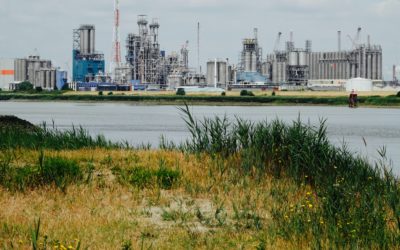
Frontsh1p will contribute to further the green transition in the Polish region of Lódzkie. A region that on the one hand, traditionally heavily relies on coal extraction, and on the other hand, has pioneered circular (bio)economy since the early 2000s. The region has always been in the forefront of innovation and has become one of the leading regions in the field of circular economy.
CATCO2NVERS
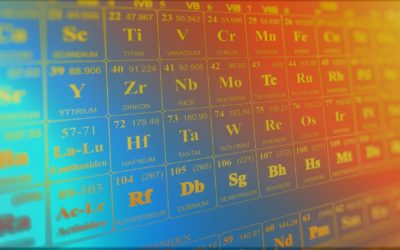
Reduce GHG emissions from the Bio-Based Industries by developing 5 innovative and integrated technologies based on 3catalytic processes. It will transform waste CO2 from 2 bio-based industries into 5 added-value chemicals: glyoxylic acid, lactic acid, furan dicarboxylic methyl ester…
DELOREAN
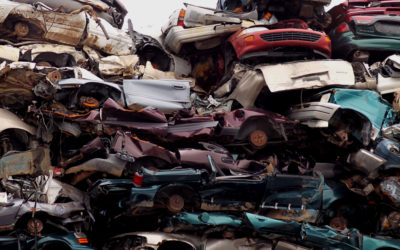
DELOREAN aims to obtain new raw materials from the treatment of waste generated in a critical sector in the región, the automotive industry. The three wastes investigated (tires, lubricating oils and polypropylene) are generated in high quantities and their polluting nature makes it necessary to develop new ways for their management and use.
BioSFerA
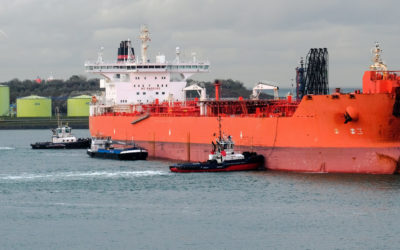
BioSFerA aims to develop a cost-effective interdisciplinary technology to produce sustainable aviation and maritime fuels. The overall process, combining thermochemical, biological and thermocatalytic parts is based on the gasification of biomass and other biogenic waste and the 2-stage fermentation of the produced syngas.
LIFE LANDFILL BIOFUEL
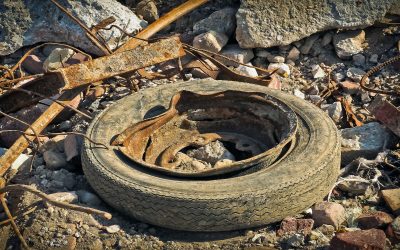
The aim of LIFE LANDFILL BIOFUEL is to demonstrate the technical performance of a cost effective solution based on the implementation of new exploitation techniques of the waste cells to enhance the biogas production