
CARTIF PROJECTS
LIFE BIOMASS C+
Mitigation strategies against climate change through the production of 2nd generation biofuels
Description
LIFE Biomass C+ aims to demonstrate improvements in climate mitigation strategies through the production of sustainable biofuel. It will utilize existing and underused infrastructure and water resources (i.e. irrigation channels, ponds, lakes, river arms) to produce zero-input biomass, with high starch content that will then be converted into bioethanol and eventually biofuel. To do this, the project proposes an innovative green technology of Green Floating Filters (GFF), where aquatic macrophyte plants (Typha domingensis) will be grown in multiple water bodies.
Objectives
- Provide a carbon positive energy balance and other environmental co-benefits (relevant GHG emission savings, improving water quality and local biodiversity, thanks to the decontaminating effect of the GFF’s rhizomes).
- Develop a clean, dependable method to produce biofuel without utilizing agricultural land.
- Demonstrate the applicability of Biomass C+ on pilot/pre-industrial scale.
- Demonstrate the potential and cost-effectiveness of this new close to market concept.
Actions
- Preparatory actions: Design of GFF and production strategy; Training for partners and staff.
- Implementation actions: Installation of GFFs in all areas; Biomass processing and bioconversion to ethanol; Replication and future applications.
- Monitoring of the impact of the project actions: Project performance indicators.
- Communication and dissemination of results: General Dissemination; Information and awareness-raising for general public.
Expected results
- Achieve a reduction of GHG emissions of 250 tons of CO2.
- Demonstration of the Biomass C + project concept applicable to any type of large water body with organic matter load using Typha domingensis as a green filter system to improve water quality.
- Development of the bioprocess to obtain high purity 2G bioethanol from lignocellulosic biomass with high starch content (e.g. Typha) both at laboratory and pilot plant scale.
- Testing of the 2G bioethanol as an bioadditive for fuels blending.
- Set up replication of results and market uptake.
- Develop an effective business plan.
Partners:


LIFE PROGRAMME
LIFE16 CCM/GR/000044

Total budget: 1,901,696.00 euros
EC Contribution: 1,125,115.00 euros
Period: Starting and End Dates:
01-SEP-2017 to 31-DIC-2021
Responsible
Raúl Piñero Hernanz
Division of Agrifood and Processes
Networking
CO2SMOS
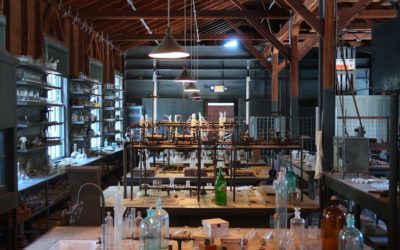
CO2SMOS project propose an innovative solution to develop new technologies based on processes for the conversion of biogenic CO2 and renewable raw materials into high value-added (bio)chemical products for chemistry sector and bio-based industries.
Renewable hydrogen and natural gas production and storage
The project focuses on the development of an integrated process for the production of green hydrogen and hydrogen carrier molecules (energy carriers) for use as renewable fuels to replace current fossil fuels.

H2METAMO
H2METAMO focuses on the development of compact and efficient plants for the generation of hydrogen carrier molecules. It has two main lines: one to generate methane and one to produce ammonia.

WoodLi
WoodLi project focuses on the development of bioadhesives for use in the manufacture of wood-based panels used, among others, in the construction sector. The bioadhesive of the WoodLi project will differ from commercial adhesives in that it will be of renewable origin and will not present toxicity problems
VALOMASK
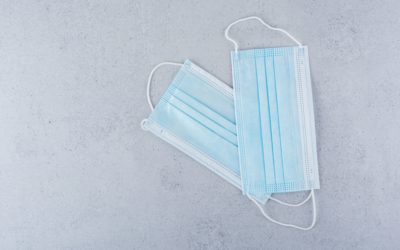
VALOMASK project aims at the design and development of sustainable management of single use face masks in the context of the COVID-19 outbreak. The initiative arise due to the exponential increase in medical waste generated during the pandemic.
FRONTSH1P
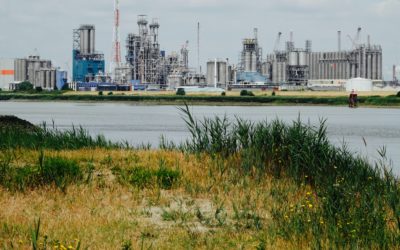
Frontsh1p will contribute to further the green transition in the Polish region of Lódzkie. A region that on the one hand, traditionally heavily relies on coal extraction, and on the other hand, has pioneered circular (bio)economy since the early 2000s. The region has always been in the forefront of innovation and has become one of the leading regions in the field of circular economy.
CATCO2NVERS
Reduce GHG emissions from the Bio-Based Industries by developing 5 innovative and integrated technologies based on 3catalytic processes. It will transform waste CO2 from 2 bio-based industries into 5 added-value chemicals: glyoxylic acid, lactic acid, furan dicarboxylic methyl ester…
DELOREAN
DELOREAN aims to obtain new raw materials from the treatment of waste generated in a critical sector in the región, the automotive industry. The three wastes investigated (tires, lubricating oils and polypropylene) are generated in high quantities and their polluting nature makes it necessary to develop new ways for their management and use.
BioSFerA
BioSFerA aims to develop a cost-effective interdisciplinary technology to produce sustainable aviation and maritime fuels. The overall process, combining thermochemical, biological and thermocatalytic parts is based on the gasification of biomass and other biogenic waste and the 2-stage fermentation of the produced syngas.
LIFE LANDFILL BIOFUEL
The aim of LIFE LANDFILL BIOFUEL is to demonstrate the technical performance of a cost effective solution based on the implementation of new exploitation techniques of the waste cells to enhance the biogas production
BIOMOTIVE
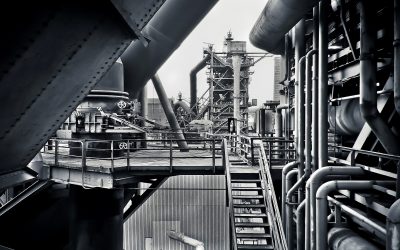
The BIOMOTIVE project aims to demonstrate the production of new high-performance biomaterials (thermoplastic polyurethane, foams and fibres) for the automotive sector, with the objective of revolutionising the market.
ZEOCAT-3D
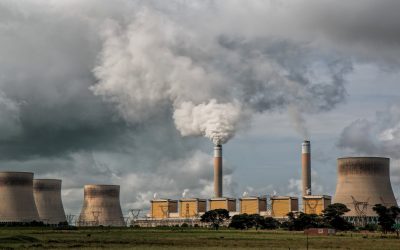
The ZEOCAT-3D project addresses the conversion of methane, from natural gas and biogas, into aromatic hydrocarbons of high added value and easily transportable

REPLACE
REPLACE aims at developing new methodologies to try to solve a critical environmental problem, the destruction of plastic wastes proceeding from petroleum.
AQUAMUNDAM
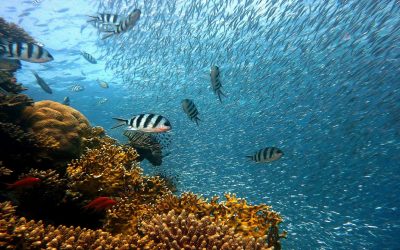
AQUAMUNDAM pursues an improvement in the sustainable management of the integral water cycle, for this the development and demonstration of both methodologies and a modular information system that facilitates inter-administrative communication and of different agents with competence in the integral management of water is contemplated
REHAP
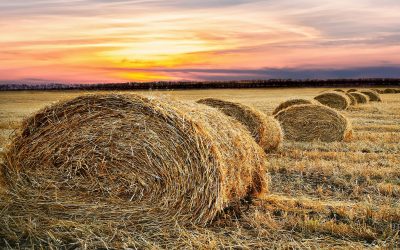
REHAP aims to strengthen the European bio-economy industry by creating novel materials from agricultural and forestry waste, and considering how they can be used commercially in the green building sector.
VALOR-PLUS
The VALOR-PLUS supports the realisation of sustainable, economically viable closed loop integrated biorefineries through the development of new knowledge, (bio-)technologies and products that enable valorisation of key biorefinery by-products.
BIOREFINERÍA FT
The FT BIOREFINERY Project consists in developing a technology that allows obtaining 2nd generation liquid biofuels (synthetic diesel) and electrical energy, through the application of gasification and co-gasification processes, of different types of solid and / or liquid waste ( herbaceous biomass, lignocellulosic, glycerin, etc.)

BIORECOS
The BIORECOS Project aims to design and build a demonstration plant of a modular nature that allows, through pyrolysis, the production of charcoal and / or active coal, as well as the generation of electrical energy.