CARTIF PROJECTS
NUTRIMAN
Real benefits of fertilizers of biological origin and how to use them
Description
The main objective of the current Fertilizer Regulation Review policy initiative in the EU is to encourage large-scale fertilizer production in the region from domestic or secondary organic raw materials, in line with the principles of the Circular Economy.
For the expansion of the use of these new products, “trust” and “knowledge” are needed throughout the entire value chain: farmers must understand and know the real benefits of fertilizers of biological origin and how to adopt and use them practical way in your crops. Also, it is essential to disseminate knowledge and information among agricultural professionals. This is precisely the objective of the ongoing NUTRIMAN EU project.
Objectives
-
Take an inventory of the innovative research results in the field of nutrient recovery technologies, methodologies and products that are about to go on the market, but that are not sufficiently known by the agricultural sector.
-
Evaluate innovative technologies for nutrient recovery and new products and fertilization practices.
-
Disseminate the knowledge collected among agricultural professionals.
Actions
- Collection of practical oriented knowledge in nutrient recycling.
- Preparation of practical summaries and training material for farmers and professionals in the sector.
- Interactive dissemination: demonstration of best practices.
- Online dissrmination.
Expected results
- Identify 100 practical solutions that cover the most urgent needs of agricultural production sectors, such as innovative fertilizer supply.
- Increase the flow of information among European farmers on nutrient management and recovery.
- Contribute to a more competitive and sustainable agriculture ensuring minimizing the use of non-renewable raw materials and their replacement with secondary raw materials, such as nitrogen and recycled phosphorus.
Partners:









H2020-IND-CE-2016-17
No. 818470

Total budget: 1,999,927.50 €
Contribution EU: 1,999,927.50 €
Duration: 01/10/2018 – 31/03/2021
Responsible
Dolores Hidalgo
Division of Agrifood and Processes
Networking
Circular Economy projects:
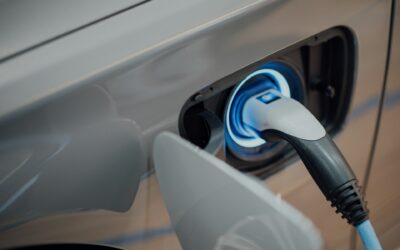
Efficient recovery of metals from spent EV batteries
The project focuses on the recovery of critical metals present in the cathode of spent electric vehicle battery cells, through a more environmentally sustainable process, for their future reintroduction into the value chain.
PROBIO
The general objective of the PROBIO project is to work on broadening the spectrum of substrates that can be treated in fermentation processes for the production of renewable gases (biohydrogen and biomethane) and biocompounds of interest (volatile fatty acids).
BATERURGIA
BATERURGIA “research into advanced recycling technologies for obtaining strategic metals from EV batteries”, aims to respond to the challenges posed by the recycling of LIBs and provide knowledge to solve the problems arising from the recovery and selective separation of critical metals to facilitate their use in the manufacture of new batteries or to replace conventional raw materials and introduce them into other production sectors as alternative raw materials.
ECOVITA
Obtain a innovative technical process that allows the production of high quality ecological fertilisers based on struvite (MgNH4PO4·6H20) and ammonium sulphate ((NH4)2SO4), extracting the useful nutrients from digestates.

CRONUS
CARTIF Projects CRONUSCapture and Reuse Of biogenic gases for Negative-emission-sustainable biofUelSDescriptionIn the current context of environmental sustainability, the EU-funded CRONUS project will pave the way for bioenergy, which is key resource for the...
ELLIPSE
ELLIPSE project will address the valorisation of two heterogeneous wa
ALL-TO-GAS
The main objective of this propoal is the development of a process technique and economically viable ans sustainable by the integration of technologies (HTC, pyrogasification, biological methanation, reforming) for the conversión of biomass and residues, both dry and with a high content in humidity, in green methane and green hydrogen
REBELION
The general objective of the REBELION project is to obtain an innovative technical process in the C&L region for the recovery of materials present in lithium-ion batteries of electric vehicles at the end of their useful life.
ECLOSION
The general objective of ECLOSION is the research and development of new solutions at a pilot plant scale at a laboratory level for the generation, management and usage of green hydrogen and biomethane using bioresidues as abundant resources of quality in a stable and affordable mode.
FREE4LIB
The aim of FREE4LIB is to develop a TRL 5-6 level technologies to reach 6 new sustainable and efficient processes to recycle li-batteries at the end of their life cycle.

WalNUT
WalNUT addresses the current gaps in nutrient cycles of differnt European waste water treatmetn systems and their related environmental problems through the application of comprehensive and innovative nutrient recovery systems, by interlinking three fundamental main drivers.
CIRCTHREAD
The main objective of the project is to unlock access to product data and use it for enhanced CE decision making across the product life cycle. Circthread will enable to capture and share both data and CE decisions as part of a collaborative information infrastructure, providing a Circular product chain of cusotdy.
0e-Mision
0e-MISION project outlines a more sustainable energy future, with combustion energy installations without chimneys that are capable of producing electrical and thermal energy at any scale, in a clean, safe, efficient way and more cheap.
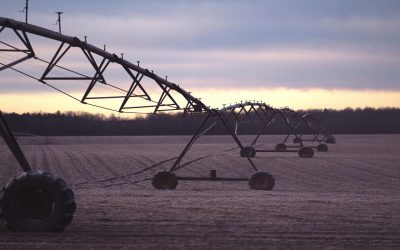
NUTRI2CYCLE
NUTRI2CYCLE addresses the current gaps in the N, P and C cycles of different European agricultural systems and the related environmental problems by implementing optimized management systems whilst having a positive trade–off with productivity, quality and environmental impact.
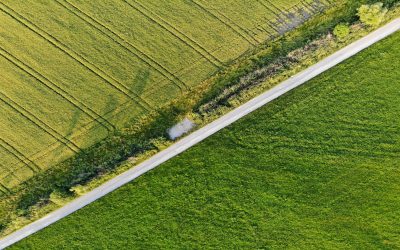
PENNYFUEL
The PENNYFUEL project aims to demonstrate the technical-economic-environmental feasibility of a sustainable strategy for the production of biodiesel, based on Thlaspi arvense (Pennycress) oil.
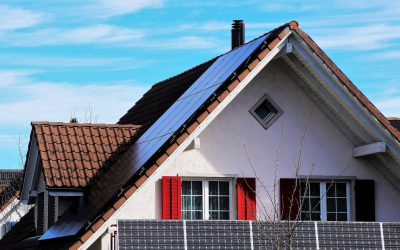
HOUSEFUL
HOUSEFUL proposes an innovative paradigm shift towards the circular economy in the housing sector. The main objective is to develop and demonstrate an integrated systemic service (HOUSEFUL Service) composed of 11 circular solutions co-created by the agents involved in the housing value chain.
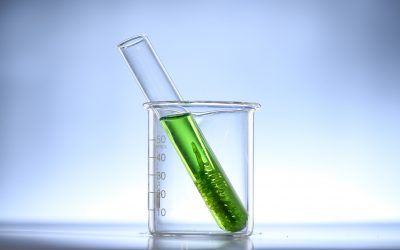
BIOMETRANS
The BIOMETRANS project seeks to promote the recovery of dry and wet biomass waste generated in the Ibero-American Region, through the production of biomethane and promote its use as transport biofuel.
LIFE ALGAECAN
The LIFE ALGAECAN project proposes a new wastewater treatment system from fruit and vegetable processing by combining the cultivation of heterotrophic microalgae with spray drying of the collected microalgae.
LIFE REFIBRE
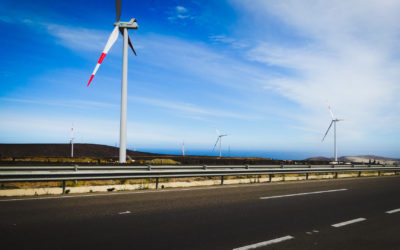
The LIFE REFIBRE project aims to solve the environmental problem involved in the accumulation of this amount of waste from wind turbine blades in the landfill.

LIFE LEACHLESS
The LEACHLESS project proposes a treatment model that will be carried out “in-situ” using a cost-effective novel technology that combines solar evaporation/condensation plus forward osmosis

LACTISHOE
The LACTISHOE project deals with obtaining new products from the footwear sector that will have excellent regenerative properties in the skin with which they are in contact, due to the innovative incorporation of microencapsulated lactic acid.
LIFE PAVEtheWAySTE
The LIFE PAVEtheWAySTE project wants to facilitate the implementation of the Waste Framework Directive in remote areas by allowing local and regional authorities to improve the operation of their municipal recycling systems and thereby pave the way towards high efficiency of the resources.
LIFE BIOSEVILLE
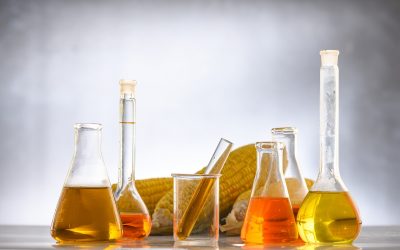
Life BIOSEVILLE develops an integrated system for the value of frying oils generated in the city of Seville. This system ranges from oil collection logistics to obtaining a more efficient, competitive and ecological biofuel.

LIFE VALPORC
The goal of the LIFE + VALPORC is to demonstrate a sustainable alternative to the management of pig carcasses and manure, focusing on the environmental problems derived from its current management and valorizing these wastes by transforming them into biofuels (biogas and biodiesel) and organic fertilizers,
LIFE SMART Hospital
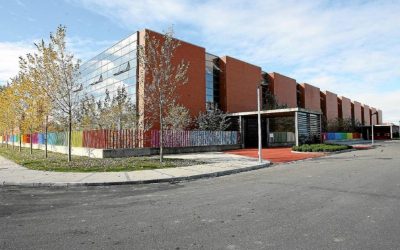
The LIFE SMART Hospital Project has promoted the sustainability of the health sector through the deployment of best practices and available technologies, training programs and replication of experience.

LIFE COLRECEPS
The main objective of the COLRECEPS project is the implementation of a prototype demonstration plant to recycle residual EPS and obtain EPS beads. With these pearls, new recycled EPS prototype products will be manufactured.
LIFE REVAWASTE
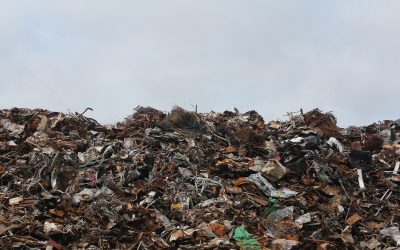
The LIFE REVAWASTE project (www.revawaste.eu) was born proposing the sustainable management of a broad spectrum of waste in an integrated plant or “Mixed Plant”.

LIFE EUCALYPTUS ENERGY
The LIFE EUCALYPTUS ENERGY Project consists of the pyrolysis of eucalyptus biomass for the production of electricity and biochar. It is intended to make use of the residual biomass of eucalyptus forest exploitation.
RECALZA
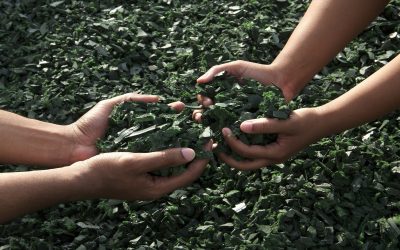
RECALZA proposes to develop a chemical recycling process of the generated polyurethane foam residues, to obtain the polyol again and re-manufacture new products (recycled soles) that meet the requirements for the footwear sector.

CONREPOL
The CONREPOL project will evaluate both chemical procedures based on the use of compounds that increase the surface polarity (silane coupling agents) of the waste and physical treatments with the same objective.
GREEN-CAR
The GREEN CAR ecodesign Project applies the ecodesign methodology to several components of the “electric vehicle” system: batteries, converter, charging points, conditioning systems and auxiliary systems from renewable sources

LIFE RESCATAME
RESCATAME represents a new system for the sustainable management of traffic through the use of models that predict pollution levels, which are supported by data collected by the network of air quality sensors, and that can help to execute a rapid action.
BIALEMA
BIALEMA: RED for the production of Biofuels and its impact on food, energy and the environment. Conducted by Dr. Antonio Francisco Valdes Delgado (CUBAENERGIA).

ENHANCE HEALTH
The ENHANCE HEALTH project focuses on environmental and health concerns related to air pollution produced by industries and waste incinerators in urban areas.