
CARTIF Projects
Efficient recovery of metals from spent EV batteries
Description
The project focuses on the recovery of critical metals present in the cathode of spent electric vehicle battery cells, through a more environmentally sustainable process, for their future reintroduction into the value chain. These processes are based on hydrometallurgy and direct recycling.
Objectives
-
- Study recycling processes, such as direct recycling and leaching.
- Efficient recovery of critical metals from spent lithium-ion batteries.
- Characterisation of the materials, in order to subsequently determine the efficiency of the applied process.
Expected Results
In the coming years, the number of electric vehicles on the road is expected to increase. Electromobility, whether focused on electric vehicles, scooters, bicycles or scooters, always uses one or more electric motors to propel itself and receives electricity via a grid connection and stores it in batteries. Lithium-ion batteries have been recognised as one of the most practical and commercially viable battery types for electromobility. However, the use of Lithium-Ion batteries involves the use of critical raw materials such as Lithium, Graphite or Cobalt, among others, which results in a value chain dependence on extractive mining and certain mineral sources outside Europe. This is why the European Union is considering strategies to reduce dependence on these metals. In this sense, one of the alternatives is to be able to recover strategic metals from products that have reached the end of their useful life, as could be the case of electric vehicle batteries. Therefore, favouring the development of lithium-ion battery treatment processes that allow circularity to be achieved, i.e., valorising the input flows with a product of global interest for the manufacture of more environmentally sustainable batteries, is one of the most interesting options to consider in order to promote battery recycling processes, and therefore the circularity of the process, at national level, and thus not depend on other mineral sources outside Europe, to obtain raw materials for the manufacture of batteries. At regional level, Castilla y León is one of the Autonomous Communities with the highest vehicle production at national level, being one of the main powers in the automotive sector. It could thus become an ideal geographical area for the installation of plants for the recovery of critical materials from spent lithium-ion batteries from electric vehicles. Today, there is no simple solution for the recycling of spent lithium-ion batteries, as the design of the complex materials is constantly improving. In addition, it is necessary to promote the circular economy in critical raw materials, as discussed above, as their availability is essential for the implementation of the Green Transition.
R&D Line
- Research on metal recovery processes from batteries, brine, electronic and other waste streams and equipment.
,Subvención de Apoyo a la inversión para la mejora de las capacidades científicas y tecnológicas de los Centros Tecnológicos de la Comunidad de Castilla y León (2023)
File: 2023 CCTT 04


Total Budget: 130,000€
CARTIF Grant: 65.000€
Duration: 02/10/2023 – 31/05/2024
Co-financed with ERDF funds contributing to the Policy Objective “OP1: A more competitive and smarter Europe, promoting innovative and intelligent economic transformation and regional connectivity to information and communication technologies”.
Responsible
Marta Gómez Rincón
Division of Agrifood and Processes
Networking
Other projects:
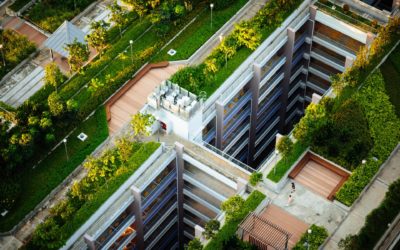
PROBONO
PROBONO brings together a European multidisciplinary consortium of 47 partners, to turn the six European districts into Green Building Neighbourhoods, with positive energy balance and zero carbon emissions: two large-scale demonstrators and four living labs representing business/owner promoters of the green buildings and neighbourhoods transition.

SUPERSHINE
SUPERSHINE project is based on the renvoation of 3 pilot lighthouse districts focusing on the needs of the social housing inhabitants and on social assets generating high social capital and cohesion.
ALL-TO-GAS
The main objective of this propoal is the development of a process technique and economically viable ans sustainable by the integration of technologies (HTC, pyrogasification, biological methanation, reforming) for the conversión of biomass and residues, both dry and with a high content in humidity, in green methane and green hydrogen
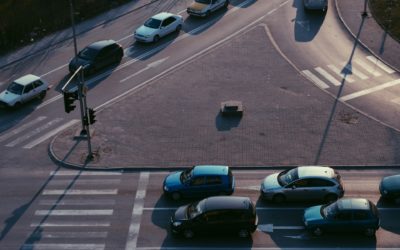
MOVE2CCAM
The project has as main objective to quantify the impact of the massive deployment of autonomous and connected mobility solutions in Europe through the development of a tool based in systems dynamic that will be build as of citizens and organizations perceptions collected in co-creation activities.
TERARED
TERA_RED aims to generate technical scientific knowledge on very low temperature networks. These networks, also called anergy, neutral or 5G networks, have been studied by applying the scientific method on a laboratory scale, both virtual and experimental.
STARCONNEXION
StarConnexion aims to lay the scientific and technological foundations for the application of Artificial Intelligence in quality management in long steel mills based on all possible variables that affect the final quality of the product.

H2METAMO
H2METAMO focuses on the development of compact and efficient plants for the generation of hydrogen carrier molecules. It has two main lines: one to generate methane and one to produce ammonia.
GARNOVA
GARNOVA born as a response to gorwing cosumer demand for healthier snacks. Sugggests the development of a new range of innovative snacks, elaborated as of healthy, functional and with high content in essential macro and micronutrients.
NEUTRALPATH
NEUTRALPATH has an objective to demonstrate the deployment of clean and positive energy districts (PCED) designed through participative processes focused on the citizen and that contributes significantly to the transformation of cities towards climate-neutrality at the time horizon 2030.
CIRAWA
CIRAWA will boost the implementation of agro-ecology in West Africa, thus facilitating the transition to a more sustainable food system.

CARNIQUS
CARNIQUS aims to respond to the current needs of the meat sector in terms of meticulous control of those parameters directly involved in the deterioration of its products.
REBELION
The general objective of the REBELION project is to obtain an innovative technical process in the C&L region for the recovery of materials present in lithium-ion batteries of electric vehicles at the end of their useful life.

NOVACARNI
NOVACARNI project aims to contribute to the production of a new meat food with a lower environmental impact, in order to promote the production of healthier and more environmentally friendly food.
EIAROB
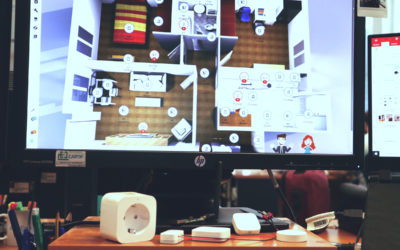
CARTIF PROJECTS EIAROBAmbient intelligence ecosystem for the support of long-term care at home using social botsDescriptionEIAROB project has as main objective promote the autonomy and quality life of elder and dependent people. The project is articulated in 3 axes:...
GEDERA
GEDERA is a research project whose objective is the study and development of a multi-agent architecture that allows the development of applications for the smart grid, focusing the project on the management of flexibility in buildings.

WoodLi
WoodLi project focuses on the development of bioadhesives for use in the manufacture of wood-based panels used, among others, in the construction sector. The bioadhesive of the WoodLi project will differ from commercial adhesives in that it will be of renewable origin and will not present toxicity problems
INTELIFER
INTELIFER consists of the optimisation of the process and products of a granulated NPK fertiliser manufacturing line with the support of Artificial Intelligence.
Push2Heat
The PUSH2HEAT project works on the development and demonstration of waste heat revalorisation technologies in industry, revalorising heat in a temperature range of 90-160ºC.
InvestCEC
InvestCEC will develop a pelicable model to implement circular economy projects in cities and regions of all Europe, taking into account all the interested relevant parts.

REHOUSE
REHOUSE project has as main objective the development and demonstration, up to TRL7, of 8 renovation innovative technologies packages, designed for covering a wide range of building renovation actions, allowing overcome the actual barriers that makes the renovation rates in Europe being low.
ECLOSION
The general objective of ECLOSION is the research and development of new solutions at a pilot plant scale at a laboratory level for the generation, management and usage of green hydrogen and biomethane using bioresidues as abundant resources of quality in a stable and affordable mode.
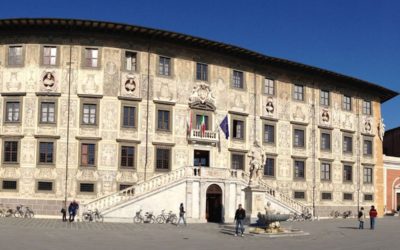
ECOESION_TOOL
The main objective of Ecoesion_tool project is the implementation of a web-based, easy-to-use and user-friendly tool based on the Ecoesion model developed by the University of PISA (UNIPI)
MITIGACRYL
MITIGACRYL has as objective develop a quick and precise analytic method for the determination at the production line of the acrylamide levels through mid-near infrared technologies.
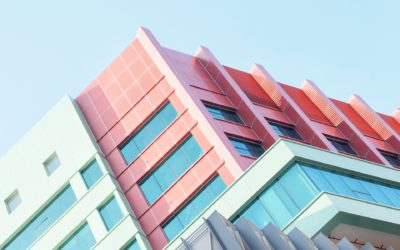
INPERSO
INPERSO is a holistic project of deep renovation of buildings that address all its life cycle and combines industrialization and customization. INPERSO will integrate new technological components that joint with pre-manufacturing advantages, preintegration and 3D printing robotic will reduce drastically time and costs of the construction.
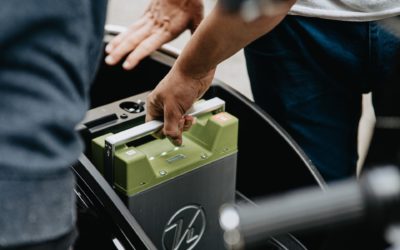
FREE4LIB
The aim of FREE4LIB is to develop a TRL 5-6 level technologies to reach 6 new sustainable and efficient processes to recycle li-batteries at the end of their life cycle.

SESAMO
Design, configure, programme and adapt a system that facilitates and assists the user in their relationship with the cabinet doors.
NEVERMORE
NEVERMORE will support excellence in climate research overcoming the current approach in evaluating climate change impacts and risks across sectors and adaptation and mitigation policies and measures.
S4UG
S4UG is a feasibility study that pretends to demonstrate the technical and commercial feasibility of the services based on the observation of the Earth that addresses the design, planification and management of the urban green infrastructure.
EVPLAN
EVPLAN looks for developing tools that use as strategic decision making base that benefit users and future consumers of the electric vehicle
PACES Logroño
The aim of the project is the preparation and elaboration in the framework of the Deal of Majors for the Climate and Energy, of the Plan of Action for the Climate and Energy Sustainable of the municipality of Logroño.

K-HEALTHinAIR
K-HEALTHinAIR busca evaluar la calidad del aire interior en 9 diferentes escenarios representativos a nivel europeo en base a una campaña de monitorización de parámetros físicos, químicos y biológicos. El estudio se llevará a cabo en 5 pilotos diferentes distribuidos por toda Europa: Barcelona, Rotterdam, Baden-Wurtemberg, Polonia/Austria y Noruega.

MOD4SMART
MOD4SMART aims to apply smart technologies to improve the energy and operational performance of the buildings focusing on industrialised construction as key future element in this context, and carrying out research and development on simplified models to be integrated in building smart systems.

AEROSOLFD
AEROSOLFD aborda el reto de mejorar la calidad del aire en zonas urbanas debido a las emisiones de partículas nocivas del transporte rodado, especialmente las debidas a los tubos de escape y al uso de frenos.

s-x-AIPI
The overall objective of s-X-AIPI (self-X Artificial Intelligence for European Process Indsutry digital transformation) is to research, develop, test and experiment an innovative toolset of custom trustworthy self-X AI technologies and applications.
SUPERA
SUPERA project is based on increasing and improving the knowledge of the mechanisms of action of RNAi in the framework of plant health, thus boosting agricultural productivity and environmentally friendly forest health. Environmental RNAi refers to the uptake of RNAs from the environment that can induce systemic gene silencing in the organism.

SPANDAM
Development of a simulation tool to support decision-making and the design of public policies aiming to achieve a balanced and sustainable demographics, socieconomic and environmental development in areas affected by depopulation.
PhotonHub Europe
PhotonHub Europe is the unique european Hub (DIH) in photonic that integrates the best technologies, facilities and knowledge in photonics as well as the experience of 53 partners of all Europe. The result is the creation of a unique window that offers a huge variety of support resources for industry to accelerate the integration of photonic in its products and processes.
RethinkAction
Development of a cross-sectoral decision-making platform to foster climate action, focusing on climate mitigation and adaptation.

Damperdoor
DAMPERDOOR looks to develop a competitive system and of high benefits for sliding doors in furniture sector. These features aim for a self-controlled closure, independent of the excessive force that a user may bring to the closing action, thus avoiding shocks and with the ability to complete the travel to a full and accurate closure.
RENERMap
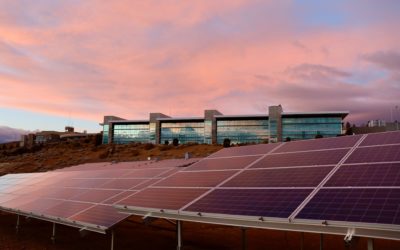
The main objective of RENERMap is to achieve a detailed analysis of the renewable potential available at local level, including both roofs and municipality land, to respond to the demand of energy that it generates, and to help to achieve the development of self-sufficient energy municipalities.

Happening
HAPPENING project is developing a solution based on decentralised heat pups tha are easy to install, low-intrusive for the building´s occupants and easily adaptable to a large number of different building situations.
Sustainable Biofuel Generation and Purification Process
The project is focus on the valorisation of agro-industrial organic residues for the production of biomethane, through anaerobic digestion processes. Also, the use of technologies for the treatment of gaseous and liquid streams will be based on membrane contactors and reverse osmosis membranes, respectively. On the other hand, pretreatment of samples with microwaves will also be studied.
New equipment in advanced digital manufacturing
This proposal focuses on the Fab LAb (Fabrication Laboratory) concept, which is a digital fabrication workshop for personal use, i.e. a space for the production of physical objects on a personal or local scale that brings together machines controlled by computers. Its particularity lies in its size and its strong link with society rather than industry.
Development of research lines on air quality and agro-ecological processes.
The research lines of AIR QUALITY and AGRO-ECOLOGICAL PROCESSES seek to achieve sustainable solutions to alleviate environmental problems such as poor air quality, urban green regeneration, environmental well-being in cities, management and restoration of urban watersheds, sustainability in the use of resources and energy in cities, conservation of urban ecosystems…
VALOMASK
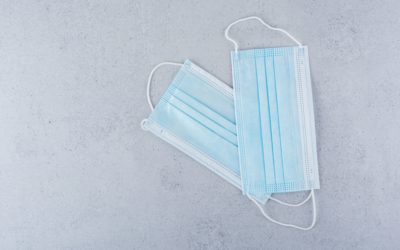
VALOMASK project aims at the design and development of sustainable management of single use face masks in the context of the COVID-19 outbreak. The initiative arise due to the exponential increase in medical waste generated during the pandemic.
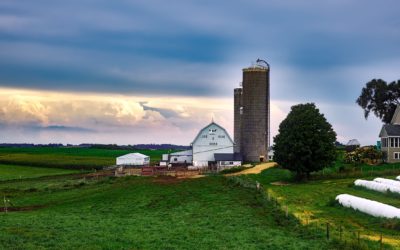
AgriGenomics Hub
The project focuses on boosting the biotechnology activity in the agroindustry in Turkey, from the farm to the agro company, throughout knowledge, technologies and new products arising from the creation of a research and innovation centre focused in the agrogenomic study of animals and plants
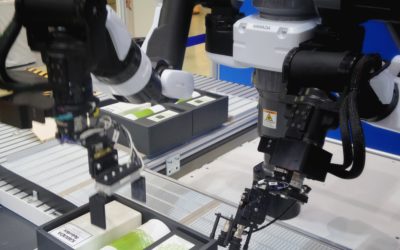
5R
The 5R Network, Cervera network in Robotic technologies for intelligent manufacturing, has as its mission to establish a collaborative network, equipped with the necessary technology, tools and infrastructures to act as a driving force for the development and introduction of new robotic technologies in the industrial fabric.
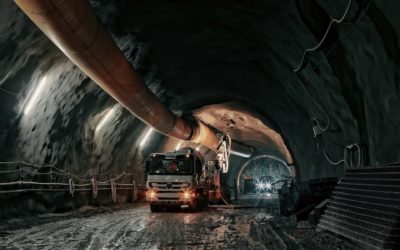
E-MINE
E-MINE is a research and development project that seeks to implement the electric vehicle in mining environment authomatizing the management of charges and the estimation of capacities according to the metheorological conditions and charge needs of each vehicle according to the work to be carried out.